Prepared for Puan Ros & Mr Quek · ProposalA proposal to rebuild ACIA (Asset Condition Integrated Analysis) as a modern web application: no installation, no Citrix, one shared database and today's security standards. It is based on a full review of the training material, the RBMI user manual and the ACIA v3.2 source code and databases you shared with us.

For readers who want the answer first. Each point is explained in detail further down.
Yes. Every ACIA module can move to the web. Users open it in Chrome or Edge, from the office or the plant.
No. Phase 1 keeps the existing calculation engine, so criticality results stay exactly the same as today.
RM 180,000 for the core system, or RM 280,000 for the complete system.
5 – 6 months for the core system, 9 – 12 months for the complete system.
Before work starts, we ask OGM to confirm its rights to modernise ACIA (see section 10). Everything else can be settled in the first four weeks.
This proposal is built on your own material, not assumptions. We read every source below before estimating any effort.
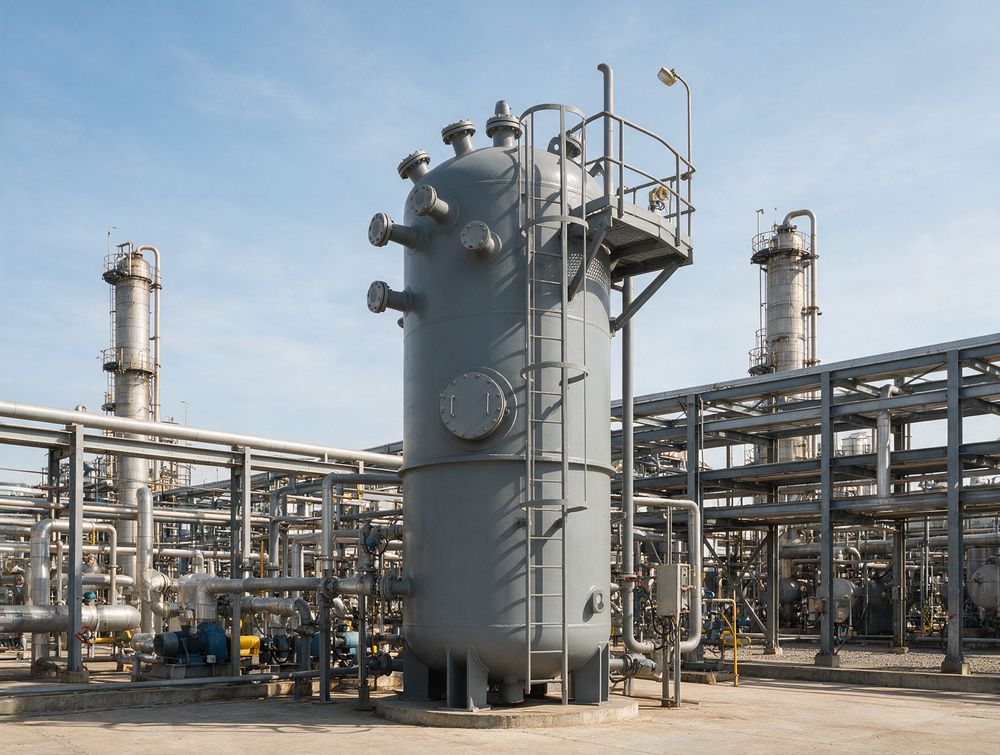
Pressure vessels & columns
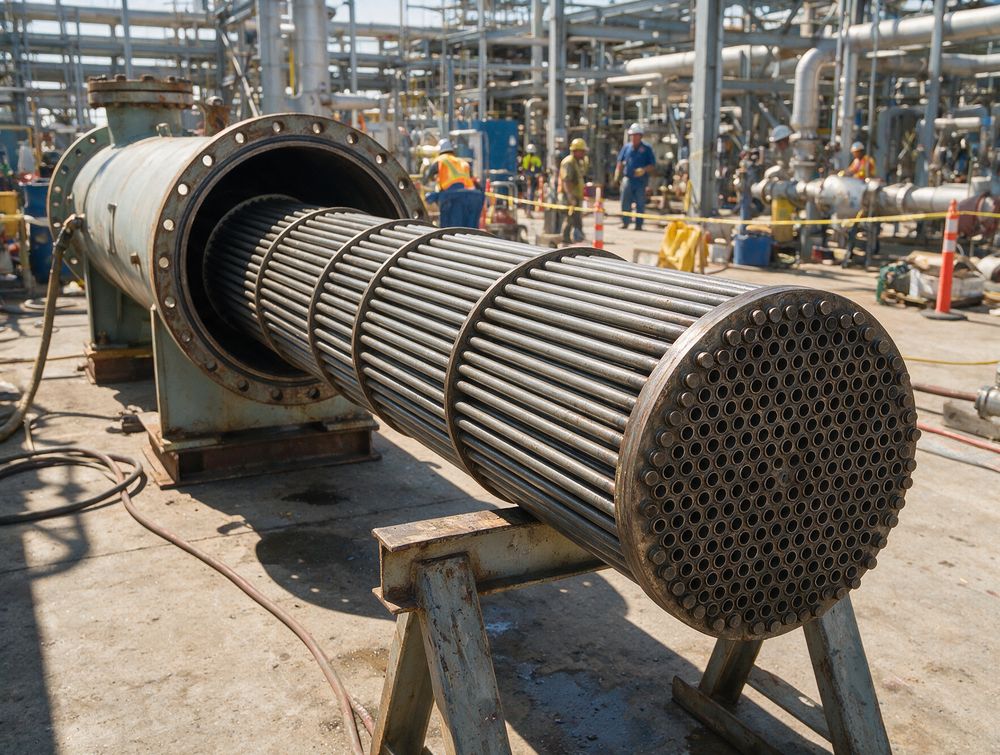
Heat exchangers
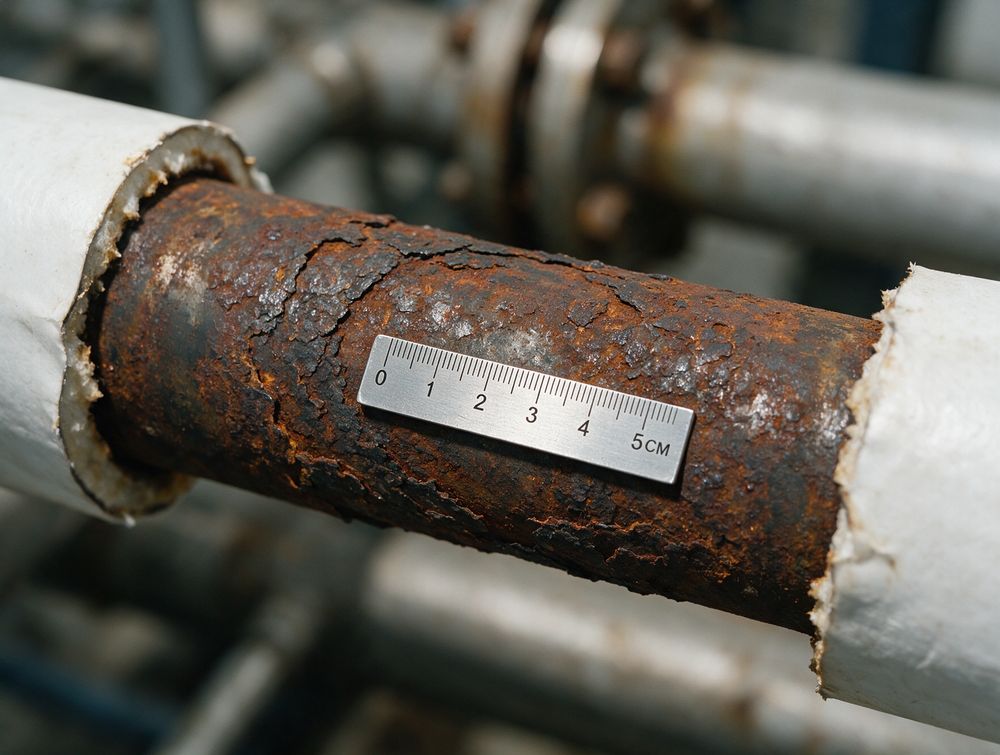
Piping circuits
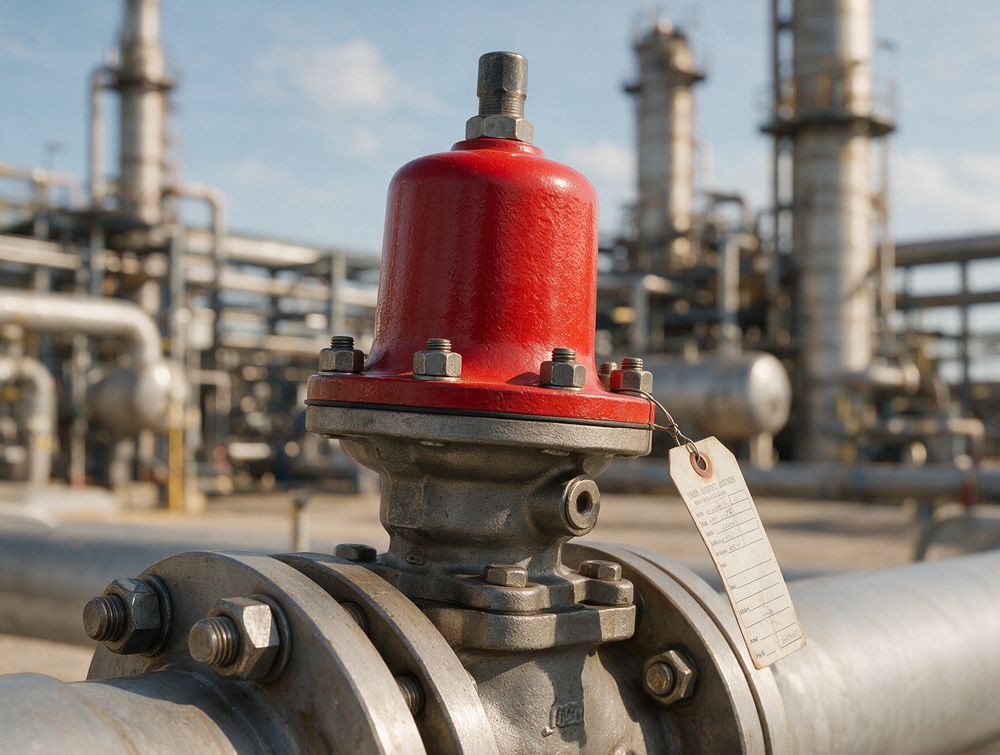
Relief devicesEquipment covered by ACIA today. Photos are AI-generated samples, used only to set the mood.
A typical day for an inspection engineer, from start to finish. The engineering steps stay the same. What changes is how people reach the system, how safely it holds the data, and how quickly they find what is due.
Setup, Crystal Reports runtime and a connection file per computer
Separate forms per equipment type
Engine runs on the user's own PC
Crystal Reports on each PC
Remote users reach it through Citrix or remote desktop. Each new PC needs a full installation.
One web address for every user and every site. Nothing to install, nothing to update on PCs
Two-factor authentication, optional Microsoft 365 single sign-on, access limited by organisation, plant and unit
Risk matrix, tasks due, open non-conformances and items about to change risk category, on one screen
Explorer and data sheets combined: pick an asset on the left, every tab on the right
Same engine and same results, run centrally. Every run keeps its inputs and engine version for audit
Same strategy rules, with due dates on a timeline view
Faster data entry grids, live corrosion-rate charts, photos uploaded from the field
With email reminders
PDF and Excel straight from the browser, with the client's own logo
Who changed what, when, and the previous value, for every engineering record
newupgradedcombined
No more installations. A new engineer, a new laptop or a new site only needs the web address and a login.
One source of truth. Every user works on the same live data, so there is no copying databases between offices or waiting for Citrix.
The engineering stays the same. Data sheets, criticality, strategy rules and inspection planning keep their current logic and results, so engineers do not need to relearn the method.
Easier to see what needs attention. A dashboard shows what is due, what is high risk and what is about to change category, without running a report first.
Built for audits. Every criticality run and every change is recorded, which supports DOSH and client audits.
ACIA has served its users for many years and its engineering logic is sound. These observations are about the technology around it, which has aged since the original platform was built in the 2000s. Each one is addressed in the new design.
Seven key screens, shown with sample data so the layout reads like the real thing. Every module keeps the same fields and logic as today; only the layout, navigation and speed are new. Final design is agreed in the Discover stage.
On a phone, swipe sideways inside the screens below. They are designed for a desktop browser.
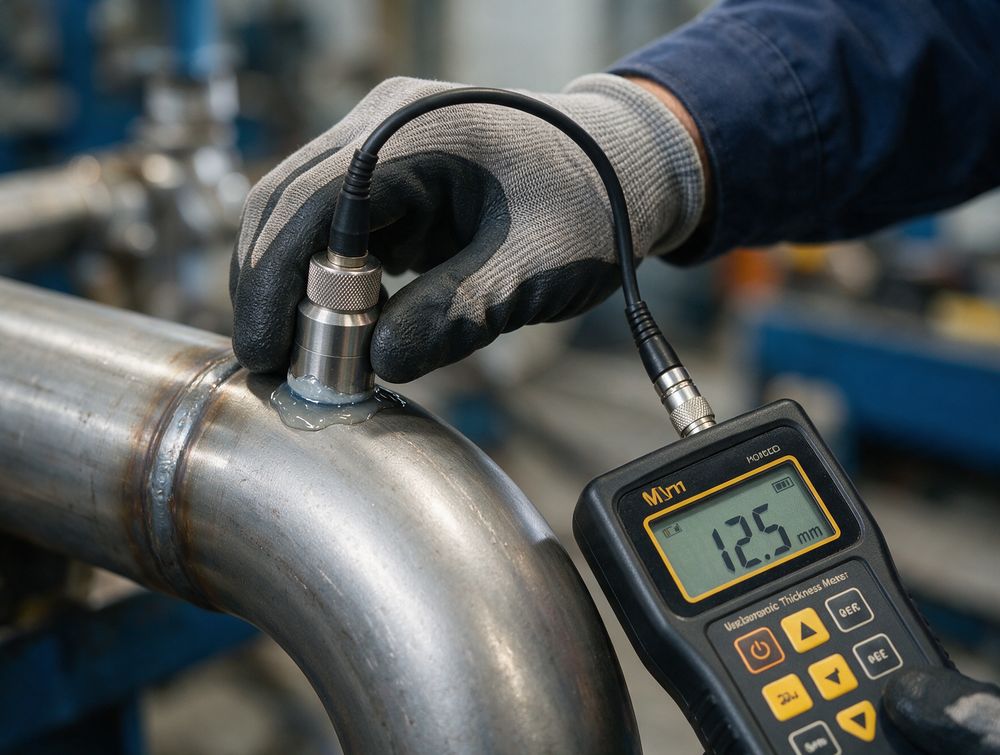
Photo · 2025 turnaround| Location | Prev (mm) | Now (mm) | ST rate | LT rate | Rem. life |
|---|---|---|---|---|---|
| TML-01 · Top head | 26.42 | 26.31 | 0.11 | 0.08 | 39.1 y |
| TML-02 · Shell N | 25.10 | 24.88 | 0.22 | 0.12 | 14.4 y |
| TML-03 · Shell S | 24.36 | 24.02▍ | 0.34 | 0.15 | 7.5 y |
| TML-04 · Nozzle N1 | 11.80 | 11.74 | 0.06 | 0.05 | 33.0 y |
| TML-05 · Bottom head | 26.90 | 26.85 | 0.05 | 0.04 | >50 y |
Readings can be typed, pasted from Excel or imported from the gauge's export file. Rates and remaining life recalculate as you type.
12


Criticality results drive inspection decisions, so they must not change because the software changed. We handle the engine in two stages.
The existing calculation components run once, on a small Windows server, behind the web application. Users get the web experience immediately, and every result matches ACIA v3.2 exactly.
A new, documented engine, written from the RBMI methodology and the reference tables already in your database. It runs on any server, can be extended (for example new consequence types), and removes the dependency on the 2004 components.
How we prove the new engine is right. During Phase 1 we record thousands of real input-and-result pairs from the existing engine, covering every equipment type, damage mechanism and consequence case. The new engine only goes live when it reproduces every one of them, and your engineers sign off the comparison report.
Proven, widely supported technology, so OGM is never locked to one vendor or one developer.
Two ways to start. The Core package can be extended to Complete later without redoing any work.
Package ABest for launching quickly with the most-used modules, then growing.
Package BRECOMMENDEDBest for replacing ACIA v3.2 completely, and for offering ACIA Web to more clients.
Cloud hosting in Malaysia, backups, security updates, monitoring, bug fixes and user support. The final figure depends on the number of organisations and users.
If OGM plans to license ACIA Web to its clients, we can also discuss a lower development fee combined with a per-site licence share. We are happy to propose figures once the target client list is known.
Three stages, with a working demo every two weeks so OGM sees progress early and can steer it. Payments follow the same stages, so each one is tied to something OGM has seen and signed off.
Workshops with OGM engineers, the server set-up for the existing engine, the data mapping and approval of the screen designs.
Module by module, in two-week cycles, each ending with a demo on the test server. Data migration is rehearsed along the way.
User acceptance testing by OGM engineers, final migration, training, go-live and close support in the first weeks.
M1 starts on the date the agreement is signed. Durations assume OGM reviews each demo and supplies data within one week; delays in reviews or data move later milestones by the same amount.
| Milestone | When | % | Amount (RM) |
|---|---|---|---|
| 1Agreement signed | Start | 30% | 54,000 |
| 2Discover complete, designs signed off | End M1 | 20% | 36,000 |
| 3Core modules demonstrated on the test server | End M4 | 30% | 54,000 |
| 4Go-live after UAT sign-off | End M6 | 20% | 36,000 |
| Total | 100% | 180,000 |
| Milestone | When | % | Amount (RM) |
|---|---|---|---|
| 1Agreement signed | Start | 25% | 70,000 |
| 2Discover complete, designs signed off | End M1 | 15% | 42,000 |
| 3Core modules demonstrated on the test server | End M5 | 20% | 56,000 |
| 4Extended modules complete, new engine verified | End M10 | 20% | 56,000 |
| 5Go-live after UAT sign-off | End M12 | 20% | 56,000 |
| Total | 100% | 280,000 |
Both packages are fixed-price for the scope described in section 08. Hosting, support and maintenance are billed monthly from go-live.
Your engineers review every module before it goes live.These shape the price and timeline above. If any of them differ, we will adjust together during the Discover stage.
Not included unless agreed separately: third-party penetration testing, live two-way ERP integration, a live connection to DCS or process historian data for IOW (readings are entered or imported), an offline mobile app for field inspectors, server or software licence purchases, and changes to the RBMI methodology itself.